
Greenhouse
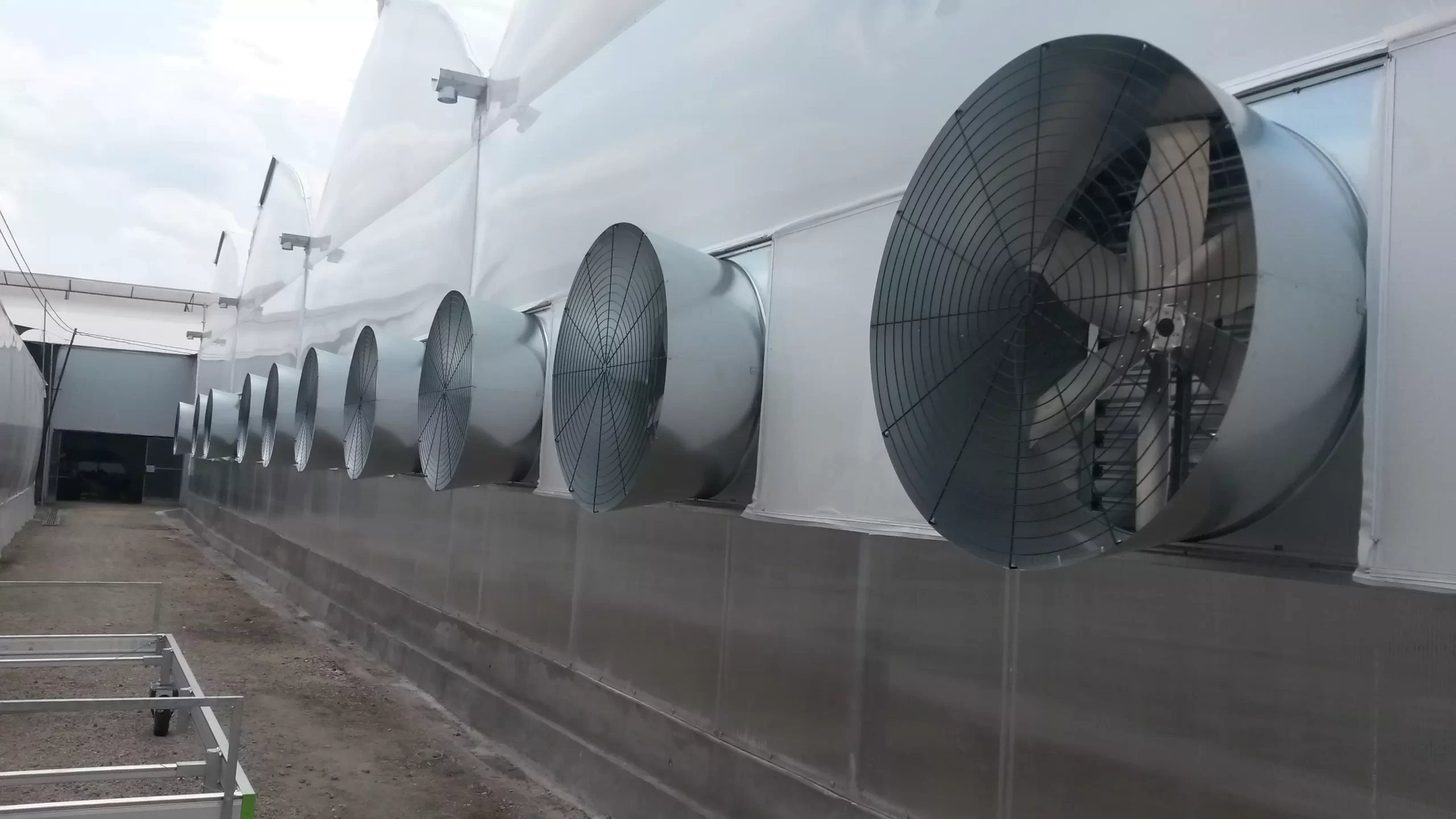
Greenhouse ventilation system
Greenhouse ventilation systems help maintain an optimal microclimate, promoting the proper and consistent growth of cultivated plant species, even in unfavourable environmental conditions.
Agricultural greenhouses are controlled environments that must meet specific parameters to enable plants and flowers to thrive, achieving high yields and superior product quality.
In this context, implementing an effective greenhouse ventilation strategy becomes crucial for managing key variables such as air temperature, humidity, condensation, and air stratification.
A stable internal climate must be maintained to ensure consistent levels of:
- Oxygen;
- Carbon dioxide;
- Humidity;
- Temperature.
These conditions are essential to support chlorophyll photosynthesis, maintain optimal transpiration, and ensure productive cultivation, while also helping to reduce the spread of plant diseases.
Proper ventilation in a greenhouse is therefore one of the most important tools for boosting crop productivity.









Leveraging greenhouse ventilation fans effectively
A well-designed mechanical greenhouse ventilation system plays a crucial role in creating a stable and productive microclimate.
The five key components, that work together to promote effective air exchange and reduce temperature and humidity stratification are:
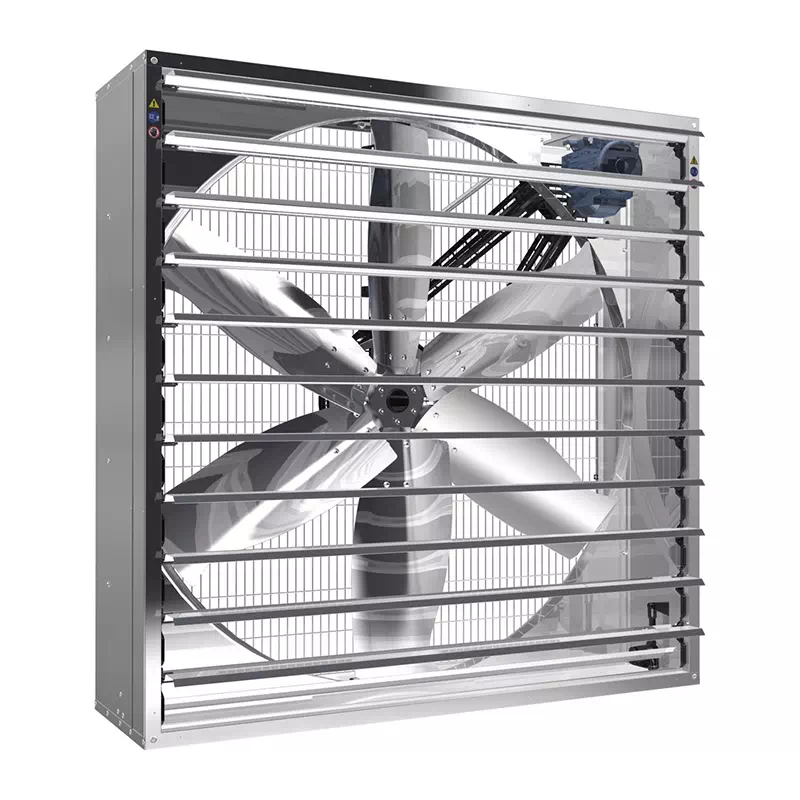
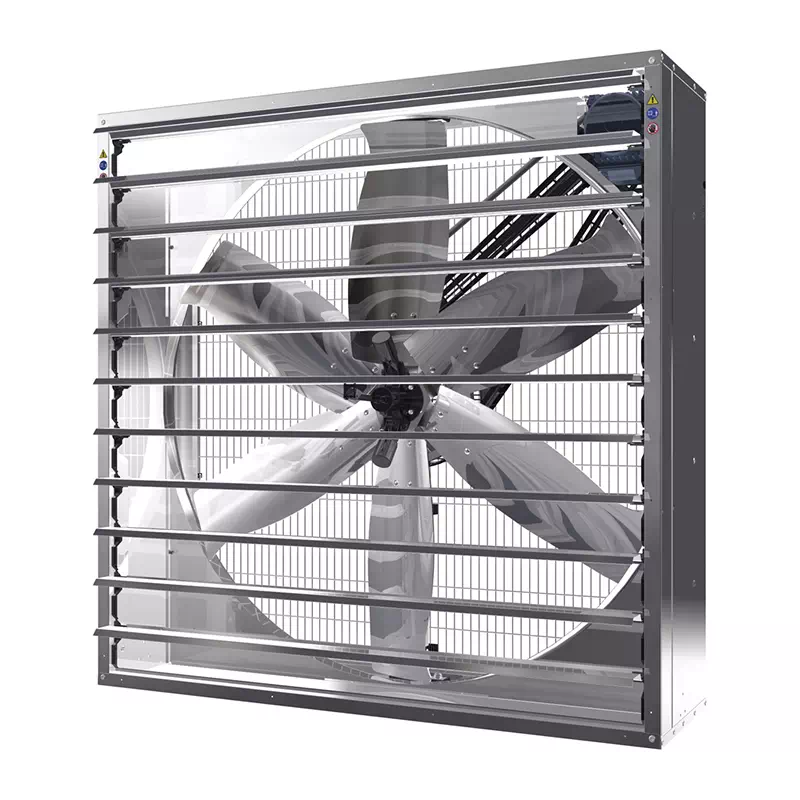
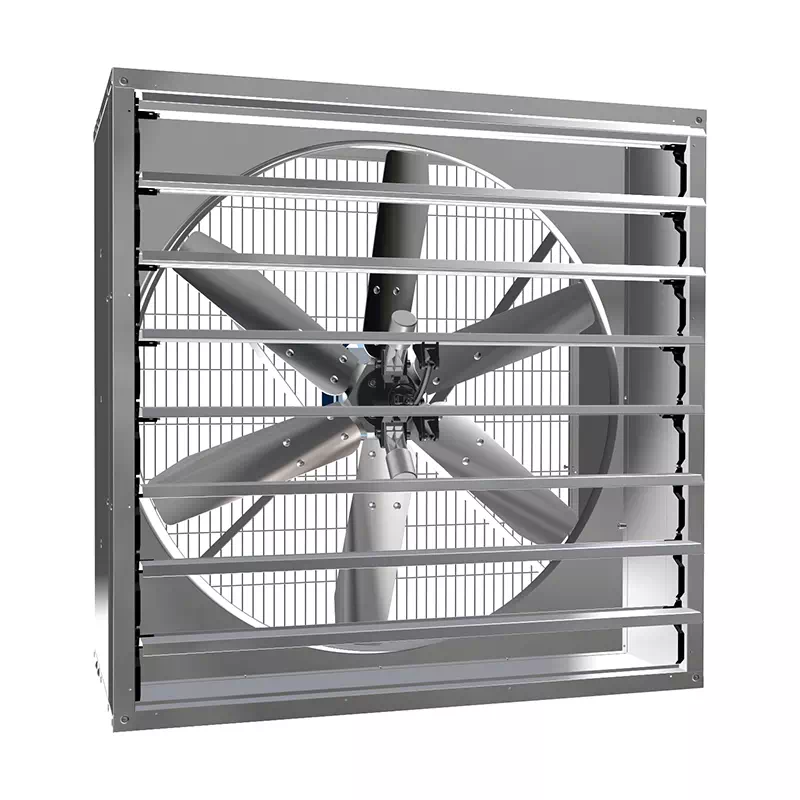
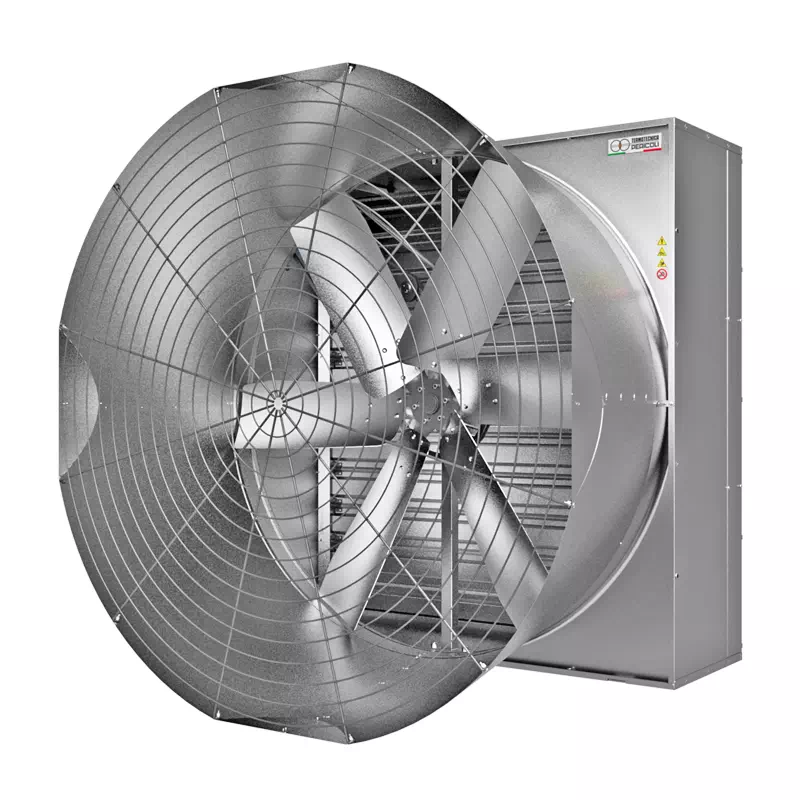
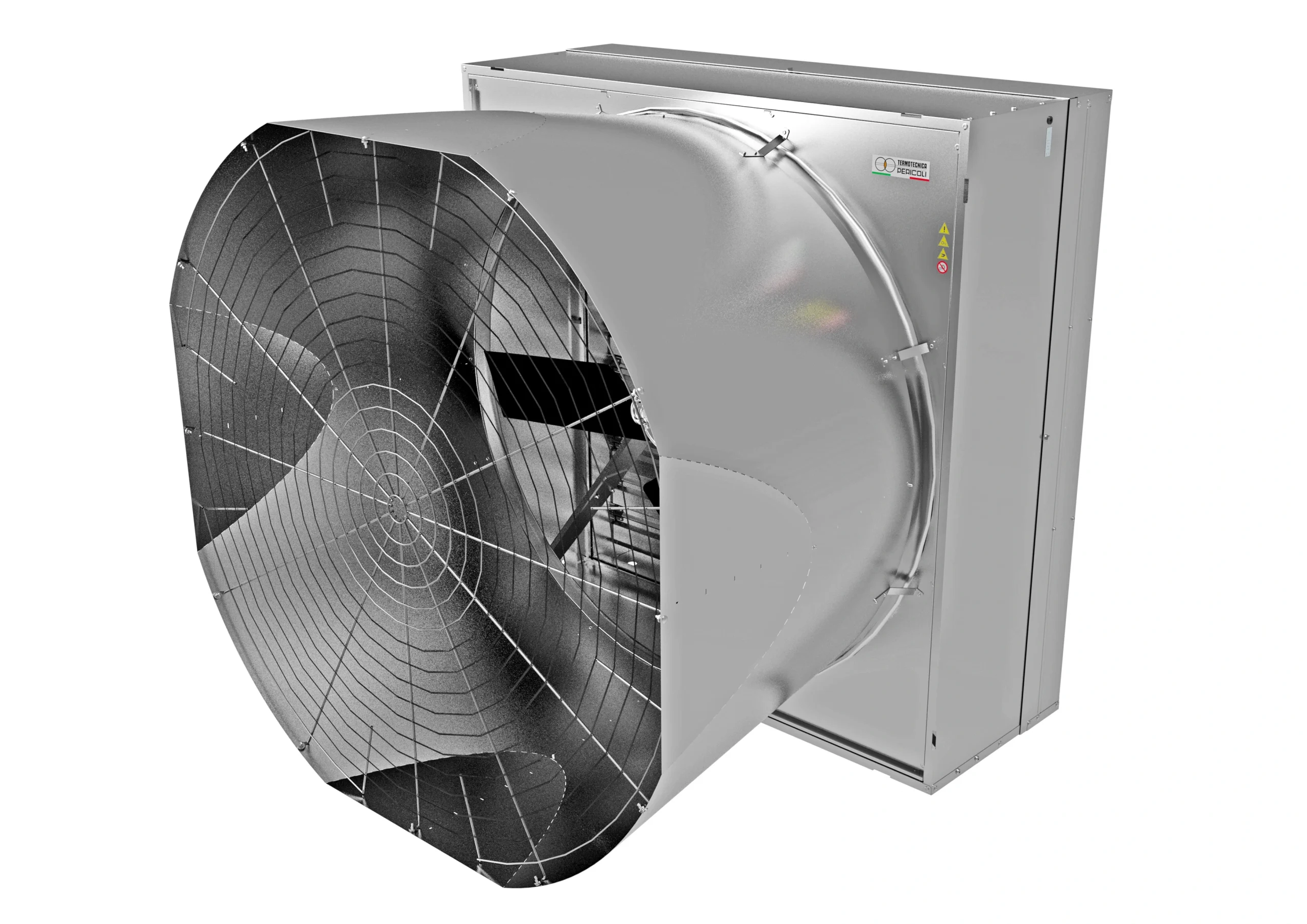
- Exhaust fans;
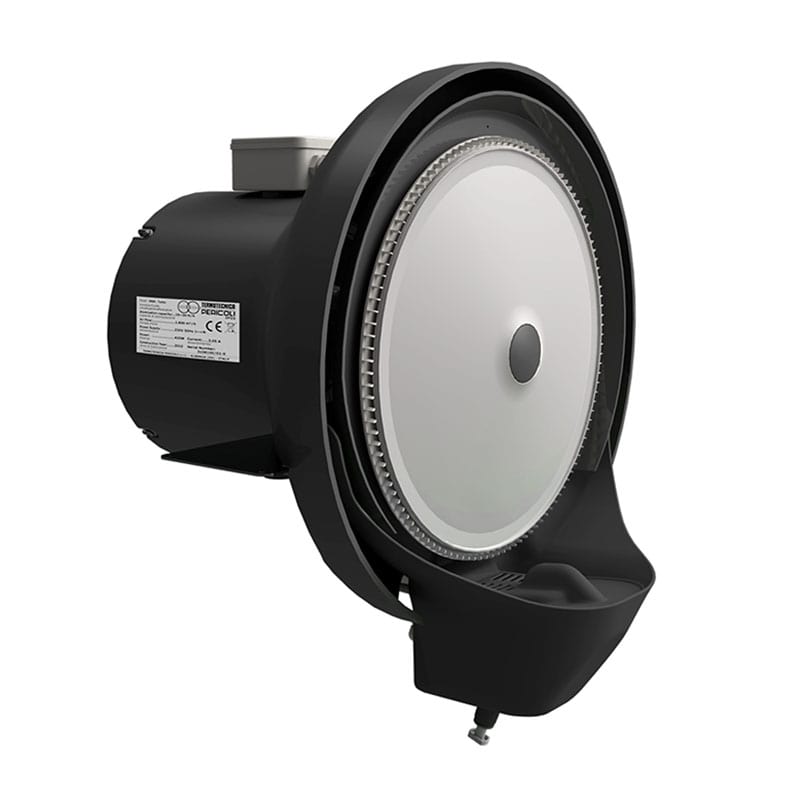
- Circulation fans;
- Adjustable air inlets;
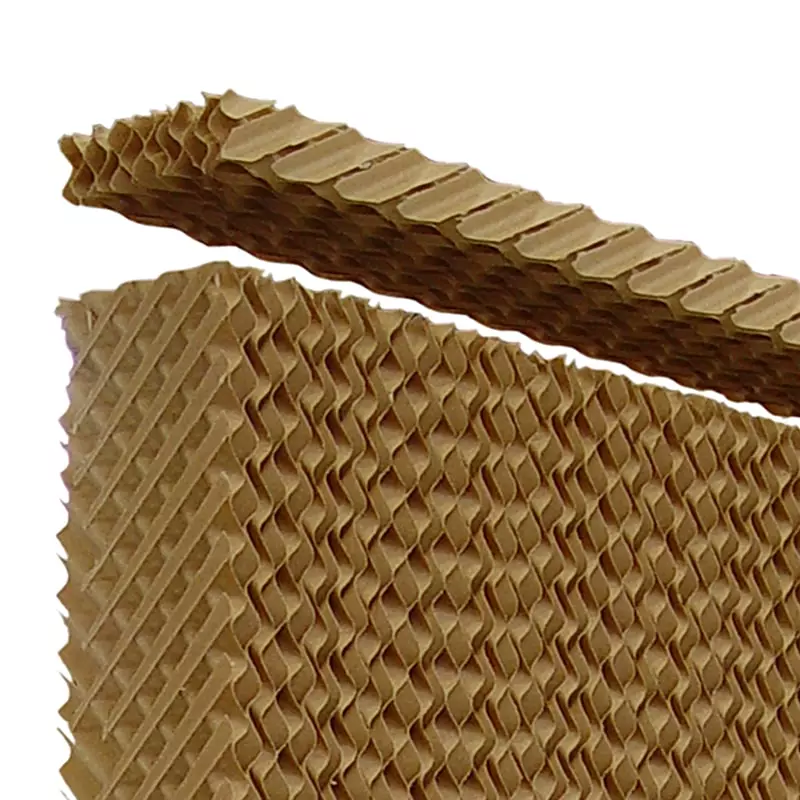
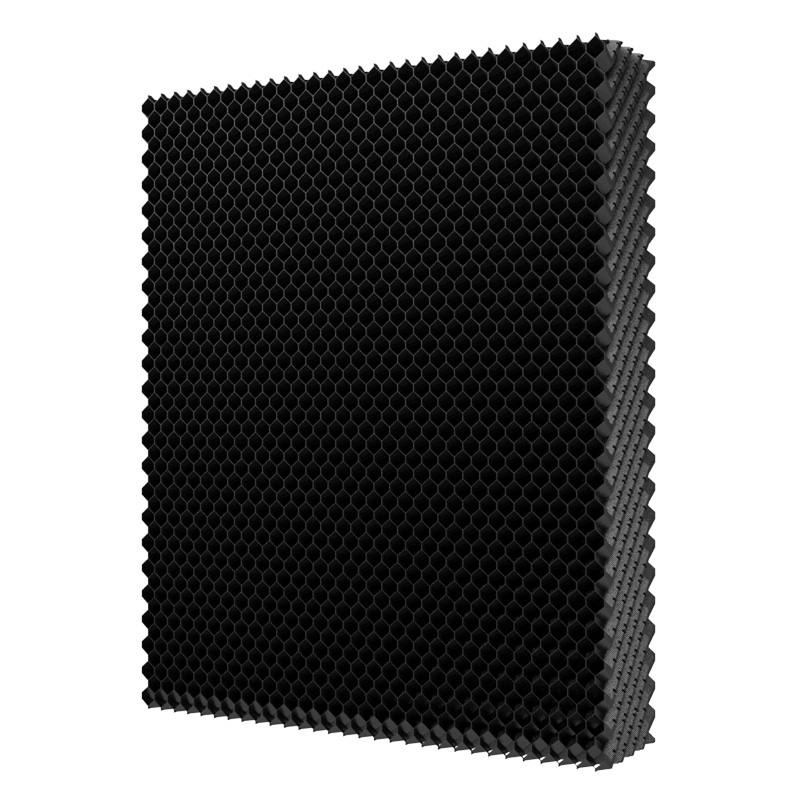
- Adiabatic cooling pads;
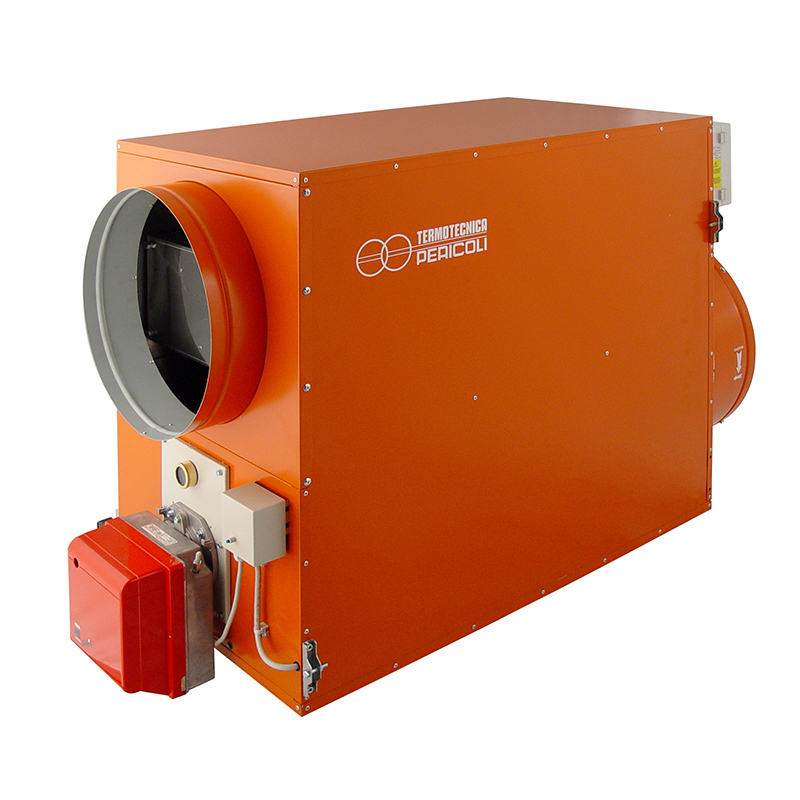
- Heating systems.
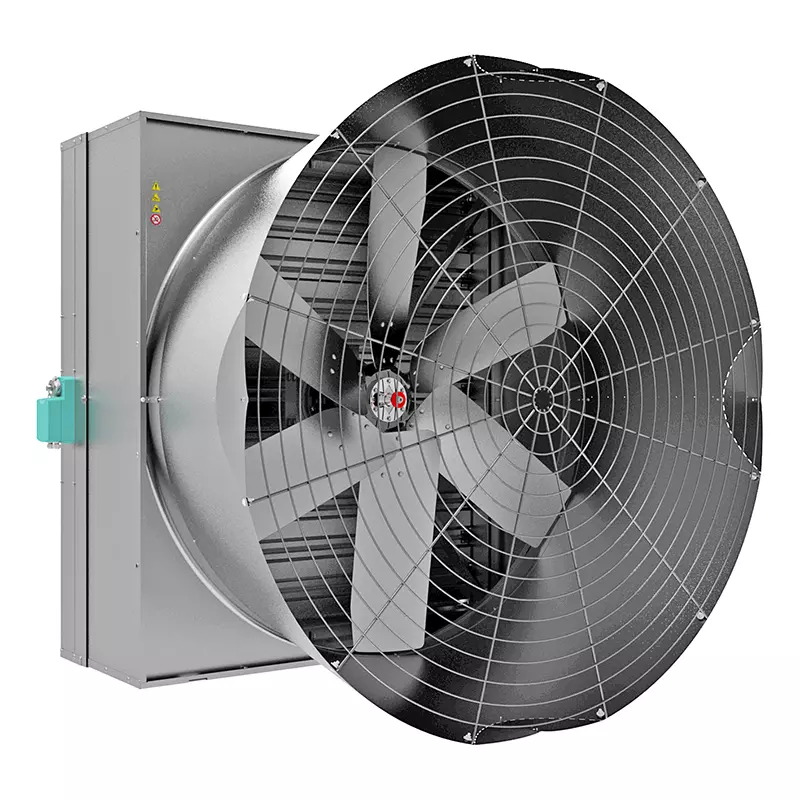
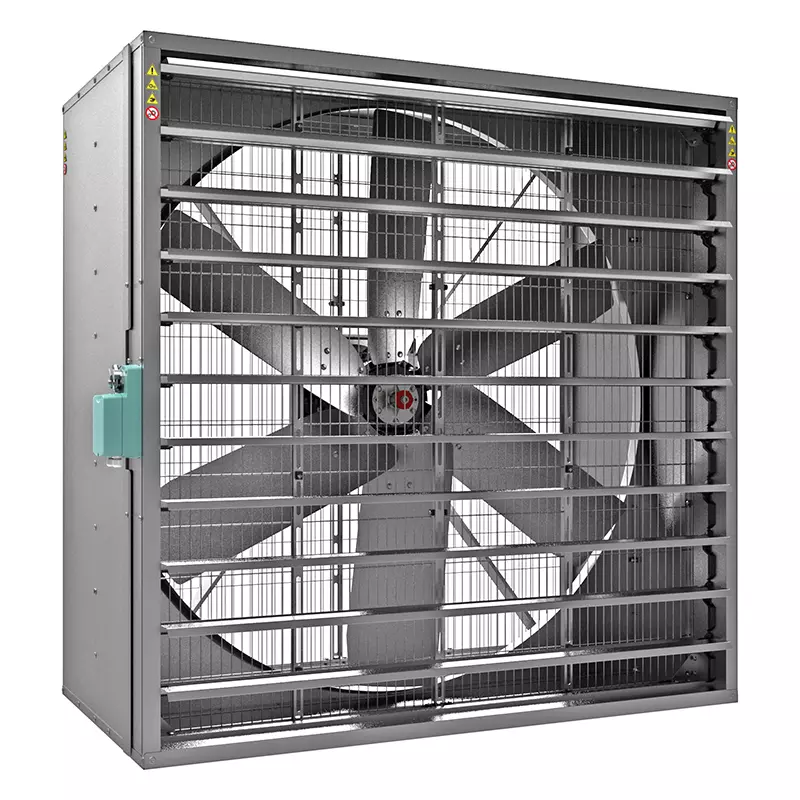
Among the exhaust fans solutions, Pericoli’s EOS, EWS, and EWD models are reliable systems for expelling warm, humid air, even in large-scale greenhouse environments.
For internal air circulation, the ACF (metal) and the new ACFp (plastic) model are examples of high-performance greenhouse ventilation fan, designed to optimize the even distribution of temperature and humidity throughout the structure.
Among the fans, axial models are the most common and are best suited for moving large volumes of air at low pressure.
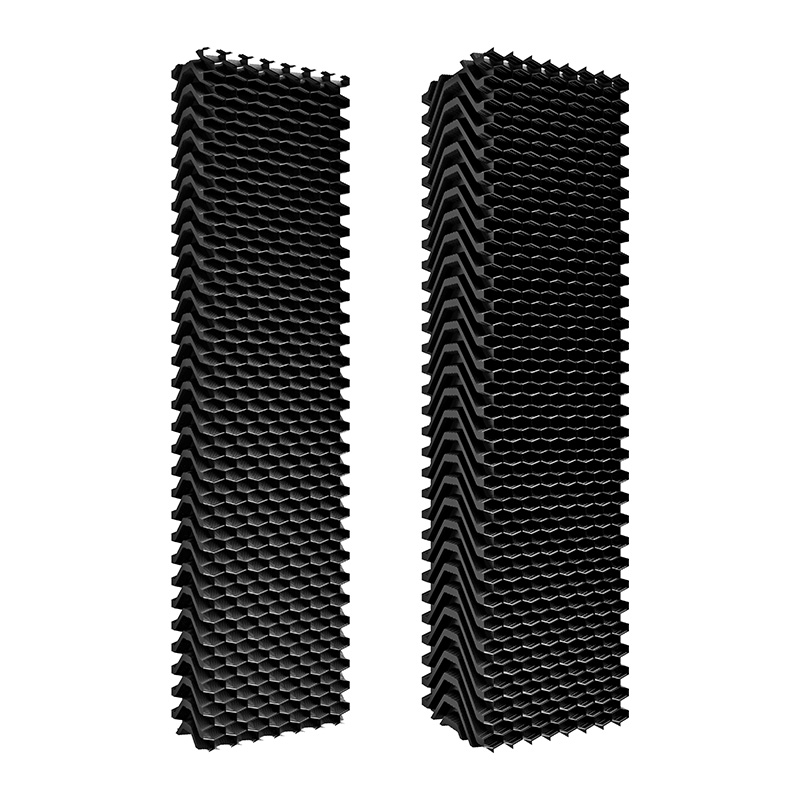
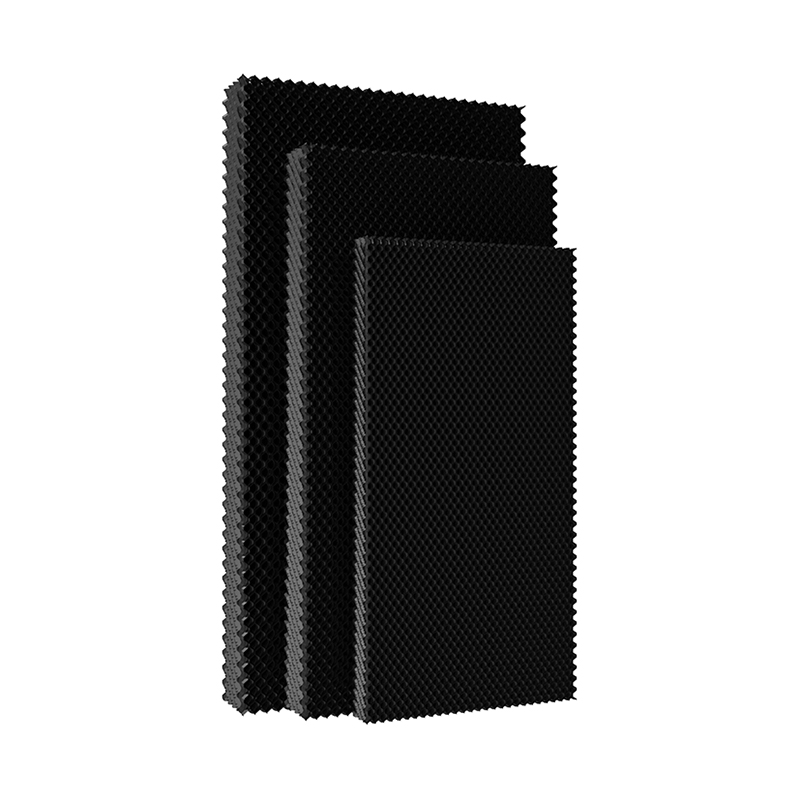
Additionally, to ensure an ideal microclimate throughout the year, mechancial ventilation is complemented by heating and cooling systems (such as PERIcool, PLAScool, and PLAScoolHE evaporative panels), which are essential for maintaining the internal greenhouse temperature within optimal parameters