
Energy efficiency is the ability of a system or process to use less energy to perform the same task, optimizing consumption and reducing waste. It means leveraging technologies and strategies that enhance overall performance, cut costs and minimize environmental impact, without compromising quality or production continuity.
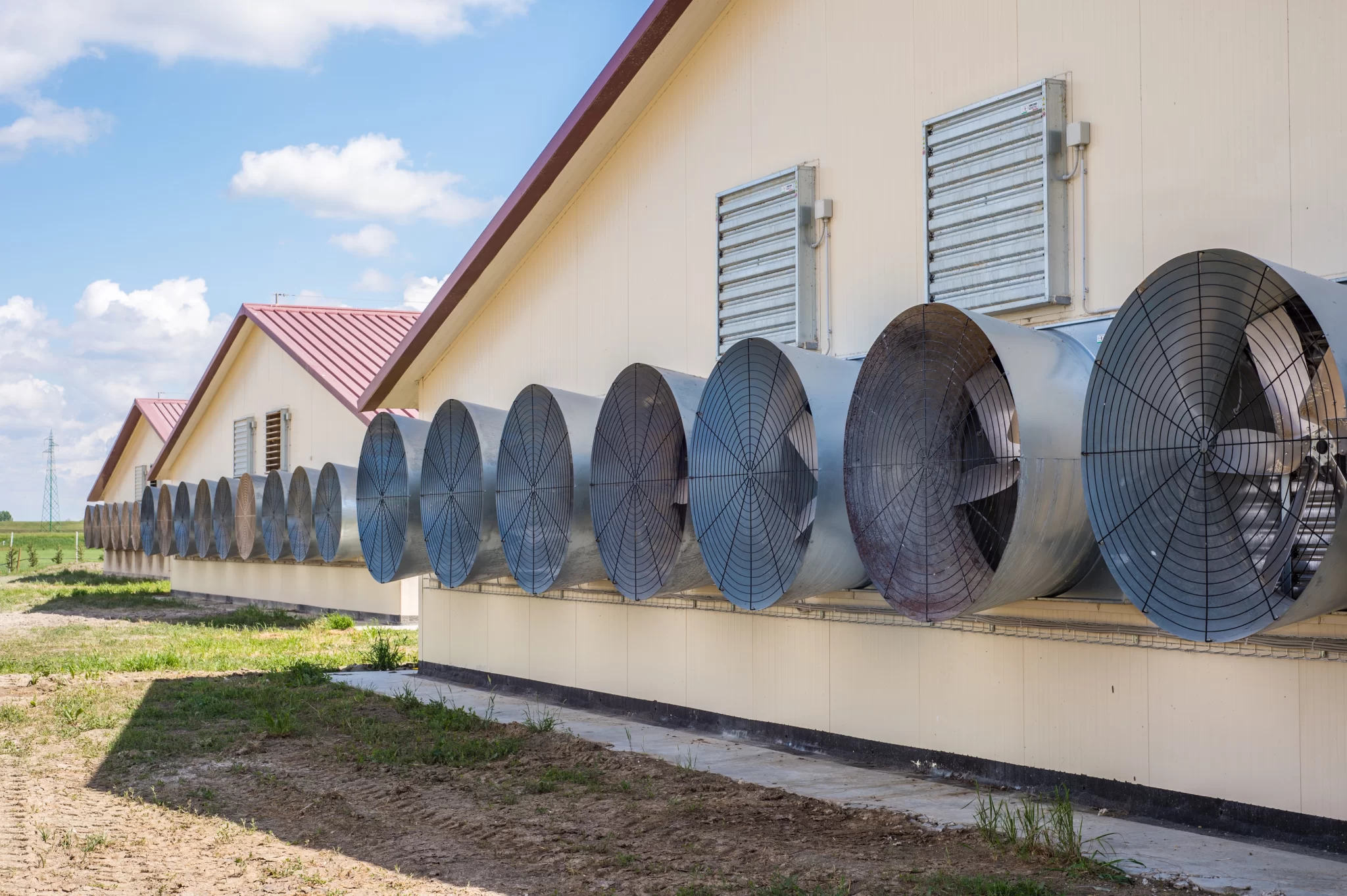
For example, a ventilation system that automatically adjusts its speed based on temperature and humidity helps maintain the ideal microclimate while using only the necessary amount of energy, thus reducing costs and ensuring well-being in animal farms or greenhouses.
The goal is to maximize process efficiency while minimizing waste, through targeted technologies and strategies.
Environmental sustainability, on the other hand, is the commitment to operate in a way that does not deplete natural resources, ensuring that future generations can enjoy the same environmental assets we benefit from today. It means reducing pollution, limit the use of non-renewable sources, and protecting ecosystems.
The connection between these two concepts is direct. Improving energy efficiency means using fewer fossil fuels, lowering CO2 emissions, and consequently reducing environmental impact.
In other words, being energy-efficient means actively contributing to sustainability.
The benefits of energy efficiency: from cost savings to corporate responsibility
Investing in energy efficiency offers immediate and measurable benefits for companies:
- Direct reduction of operational costs: Lower energy consumption means reduced utility bills and higher profit margins.
- Improved Corporate Social Responsibility (CSR): Companies that invest in sustainability enjoy enhanced reputation among clients, suppliers, and investors.
- Access to incentives and funding: Many governments offer grants or tax incentives for adopting high-efficiency technologies.
- Increased business resilience: Reducing dependence on fossil fuels helps protect against energy price fluctuations.
- Greater market competitiveness: Demonstrating commitment to cost control and environmental responsibility is a key differentiator in today’s market.
How to improve energy efficiency in agricultural and livestock facilities
To actively improve energy efficiency in agricultural and livestock operations, it is possible to intervene on multiple fronts. Here are three key examples:
The first example is precision ventilation. By using strategically positioned, low-energy fans, it is possible to maintain the ideal temperature, reduce heat stress in animals and limit the need for intensive cooling. In this way, ventilation systems contribute to creating a healthier environment that is also more cost-effective to manage.
In protected cultivation systems, next-generation greenhouse heating systems optimize combustion and distribute heat evenly, avoiding energy waste and reducing consumption.
Investing in efficient heating systems means growing more, growing better, and doing so while saving on operating costs.
Lastly, adiabatic cooling takes advantage of the natural principle of water evaporation to reduce indoor temperatures. It consumes less energy than traditional air conditioning and creates an ideal microclimate, with a much lower environmental impact.
Why certified, high-performance machinery is crucial for sustainability
When we talk about “certified” machinery, we are not just referring to a label on the product, but to the guarantee that the declared performance has been independently verified by accredited organizations or authorized laboratories.
Certifications translate into tangible benefits for the company:
- Investment certainty: Certified machinery delivers on its promises in terms of efficiency and performance.
- Durability and reliability:High-quality equipment requires less maintenance and offers a longer service life, helping to reduce waste generation.
- Regulatory compliance: Certifications support adherence to increasingly strict environmental regulations, avoiding penalties and operational delays.
Frequently asked questions about energy efficiency and sustainability
What is the typical return on investment (ROI) for an energy-efficient ventilation system?
Return on investment varies depending on the type of facility and energy costs, but it often results in a payback period of less than 2-3 years, thanks to significant savings on electricity consumption.
Can improving energy efficiency also improve animal welfare in my farm?
Yes. A well-ventilated and thermally stable environment helps reduce heat stress in animals, Improving both productivity and overall well-being.
Are there government incentives available for upgrading industrial heating and cooling systems?
Many countries offer incentives, grants, or tax breaks for companies investing in high-efficiency technologies. It is advisable to check regional and national funding programs regularly.
Does installing new, efficient machinery cause significant production downtime?
Usually not. Suppliers schedule installations and replacements to minimize production downtime, often planning work during low-activity periods.